Waste tracking & diversion reporting for governments.
Track material through your jurisdiction — from generator to hauler to facility to final destination. Cross-referenced against facility records, not hauler self-reports.
Tonnage Breakdown (Example)
You Need Visibility
You set recycling goals. You grant permits. You publish diversion rates.
But the numbers come from haulers and facilities with little visibility. Material marked "recycled," "composted" or simply "processed" might be sitting in a landfill.
Who generated it. Who hauled it. Where it went. What happened there.
We pull data from facility records, permits, public datasets, and (where we have access) our own equipment deployed at sites in your jurisdiction.
Then we map it: waste generated at Point A, picked up by Hauler B, delivered to Facility C, final destination D.
A dashboard for every facility and hauler in your jurisdiction.
If your facilities are still on paper, pneumatic tubes, or legacy software, we can help.
Software and hardware for private and public operators and facilities. Scales, facility dashboards, compliance logging. See who's in compliance. See who's behind on reporting. See throughput trends.
Facility data flows directly to your dashboard in real-time.
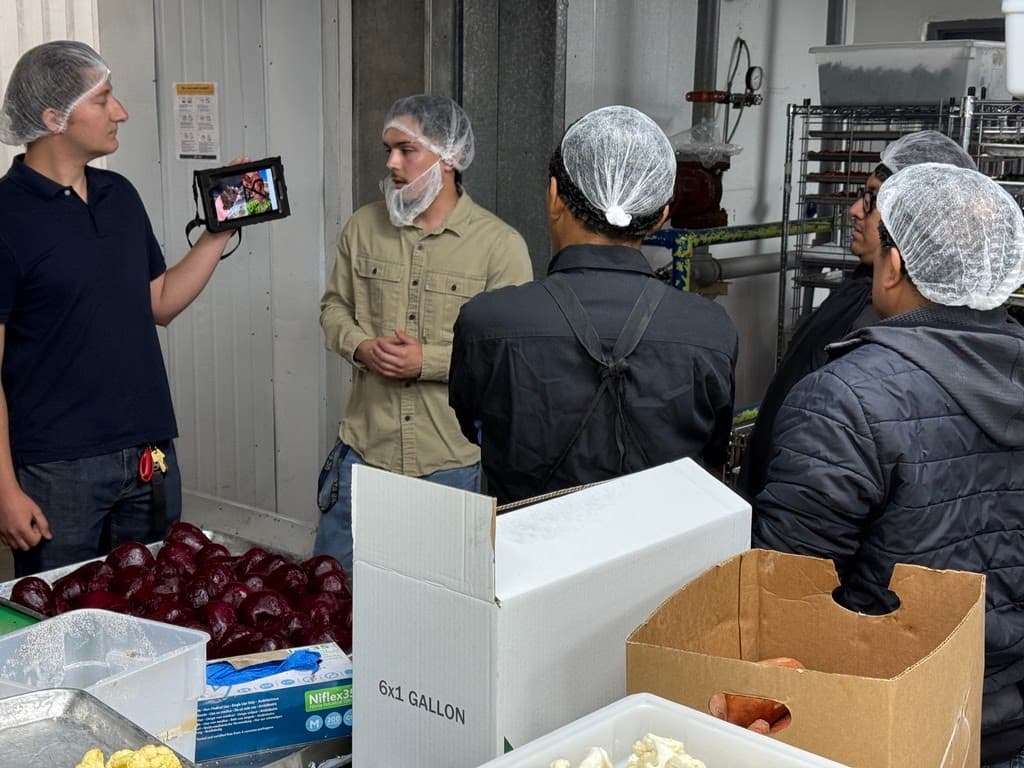
Tracking is half the job. We do the other half too.
Dyrt runs commercial food waste pilots and provides organic recycling services in select regions across Southern California. We work with restaurants, grocers, hotels, and distributors. We source-separate at the generator and move material up the recovery hierarchy.
Donate. Feed. Compost.
- Donate first. Edible surplus goes to local food recovery partners before anything else.
- Divert to animal feed. Inedible food scraps go to permitted feed operations.
- Compost the rest. What remains becomes soil amendment at our R&D facility.
Cleaner material, better results.
Mixed organics programs typically see 12–18% contamination. Our source-separation training keeps contamination under 1%.
What jurisdictions receive.
- A defined pilot with participating commercial sites.
- Monthly reports: donation totals, diversion by destination, contamination rates by business type.
- Verified data that matches what actually moved.
Your problem accounts can become high-diversion sites.
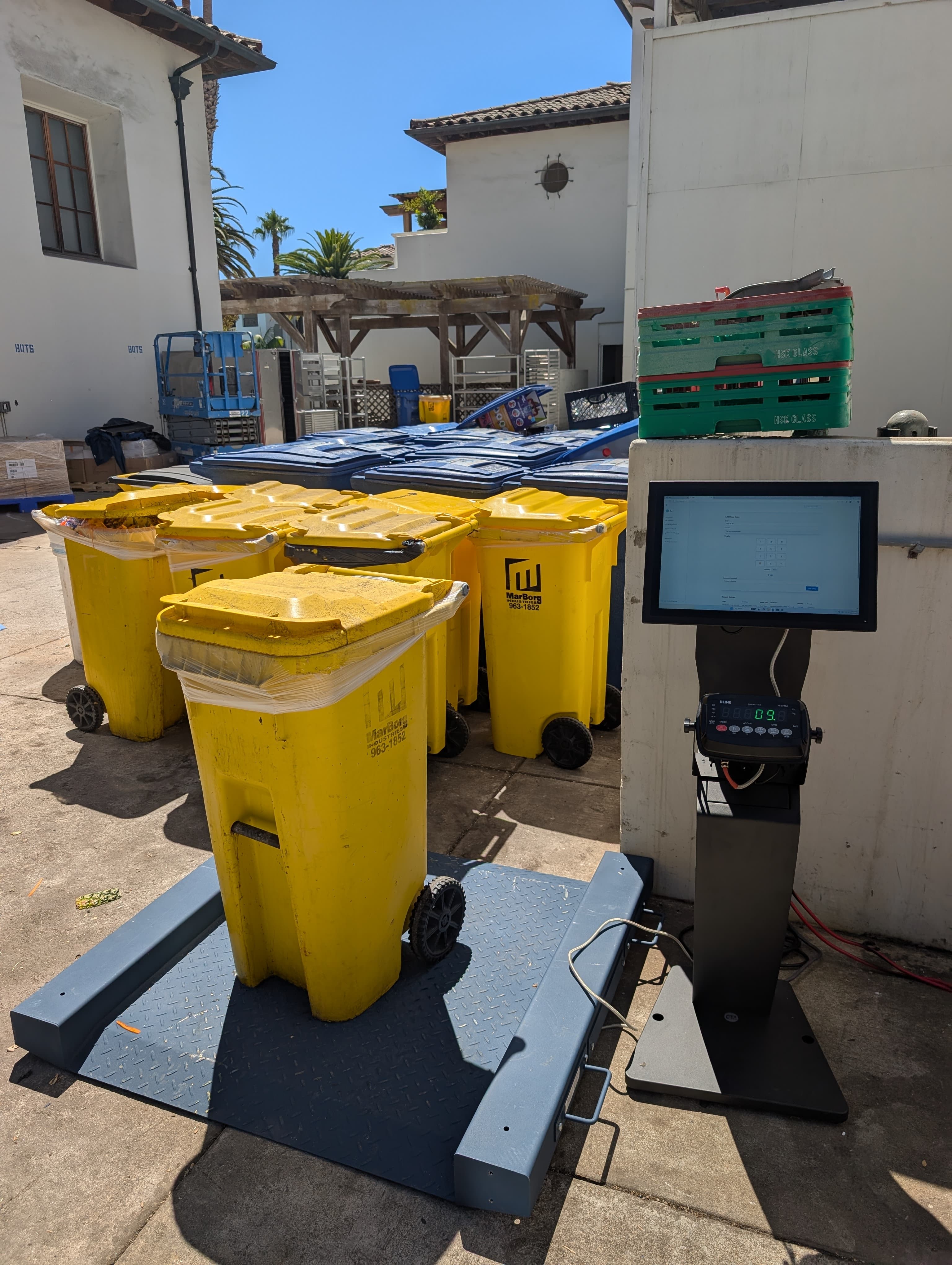
Why it works.
Fixing one high-volume food distribution hub can divert more tonnage than one hundred compliant small accounts.
Want to know what's really happening in your jurisdiction?
Schedule a call to learn how we can help you track waste flows and verify diversion rates.